Public transport in Lyon: a complete guide of the TCL network
Public transport in Lyon may seem complicated at first, but with the TCL network (metro, tramway, bus, funicular…), everything becomes simple, fast and efficient. Whether you live in the city center, on the outskirts, or elsewhere in the Lyon metropolitan area, public transport offers a practical alternative to the car, often more economical and much more environmentally friendly. This guide aims to give you all the keys you need to understand the TCL network, plan your journeys, choose the right ticket, and, why not, highlight the location of a property.
1. The different modes of transport in Lyon
Metro
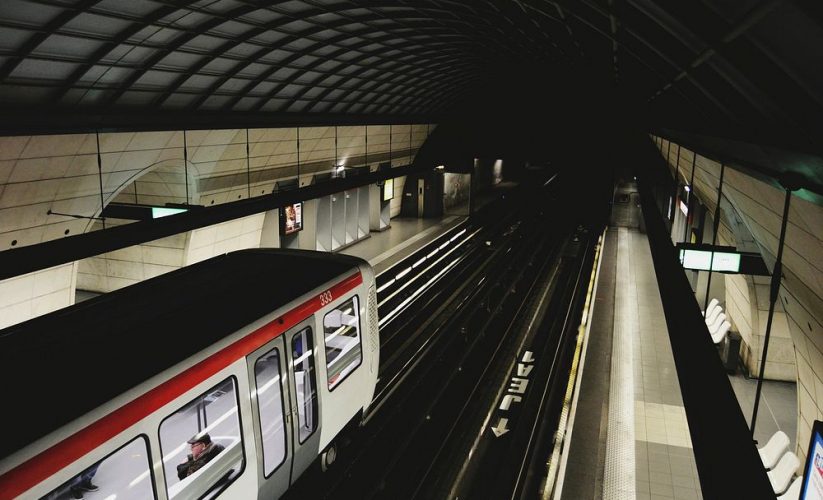
The metro is the backbone of public transport in Lyon. With four main lines (A, B, C, D), it serves the city center, certain suburbs and strategic areas.
- Line A crosses the east and west of Lyon and is very useful for connecting districts such as Vaise, Bellecour, Perrache and Charpennes.
- Line B serves the north and south, passing through areas such as Part-Dieu, Jean-Macé and other residential districts.
- Line C — the oldest — links the heights of the city (in Croix-Rousse) to the Guillotière district, ideal for avoiding steep climbs by bike or on foot.
- Line D crosses the city from northwest to southeast and is very efficient for travelling quickly across Lyon while avoiding the often congested main roads.
Metro frequency is high during rush hours, which makes it a fast and reliable option. The metro is often the quickest way to cross the city or reach a central area.
Tramway
The tramway then provides a finer coverage of less central areas by connecting outlying districts. Several tram lines serve the outskirts, student districts, shopping areas, business parks and also residential neighbourhoods. It is therefore particularly useful for reaching areas not served by the metro or for getting around outside the city center.
Bus / Autobus / Trolleybus
The bus and trolleybus network makes it possible to cover the entire metropolitan area — outlying districts, residential zones, business parks, shopping areas and university campuses. Buses are particularly useful at night, when the rest of the network stops running, or in combination with other modes for more complex journeys.
Some buses (or night lines) connect distant districts, municipalities on the outskirts, or provide feeder links with park-and-ride facilities. For home ↔ work journeys, or for late-night outings, the bus remains a valuable asset of the TCL network.
Funicular
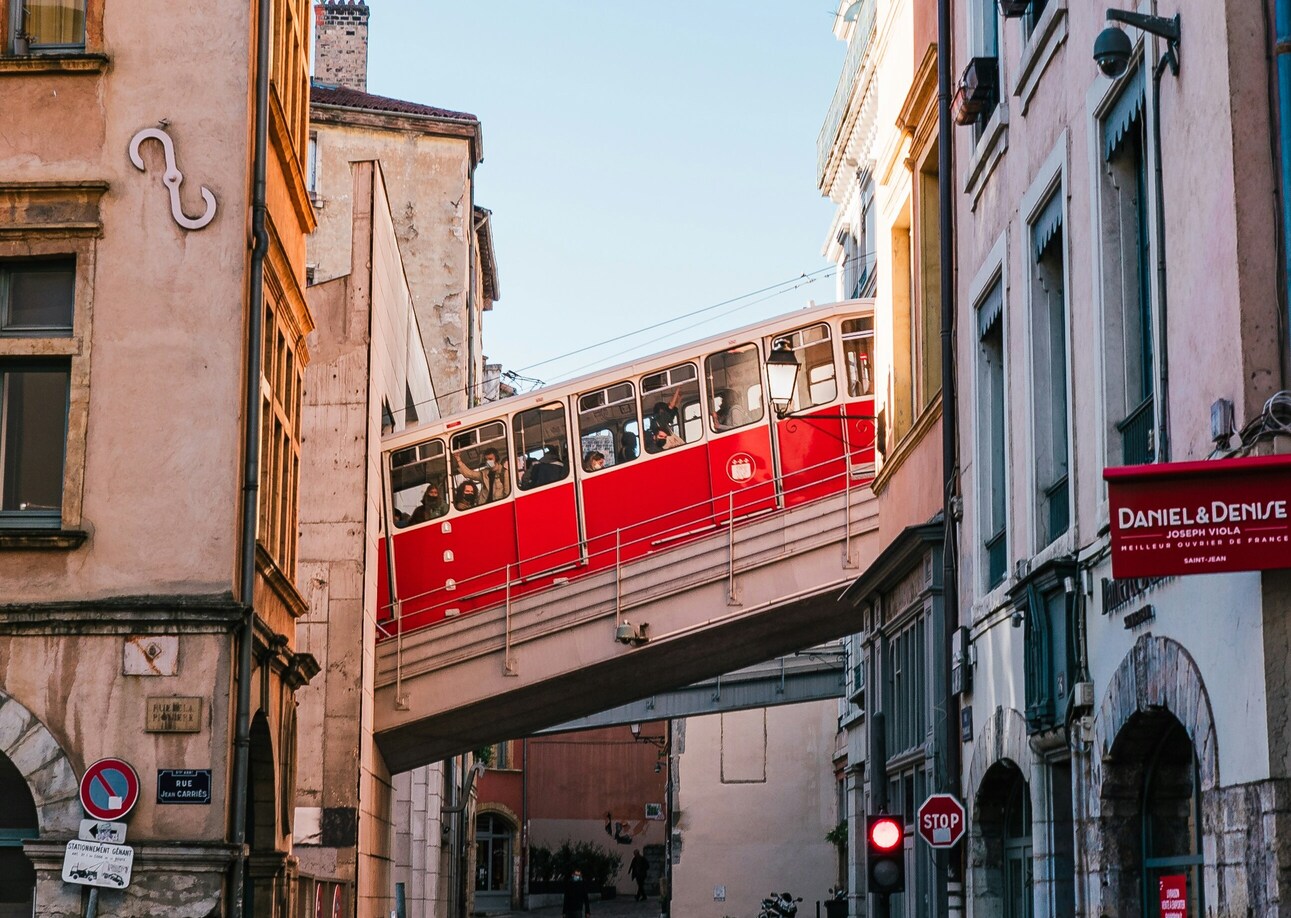
Public transport in Lyon is one of the few to have an urban funicular, a historic and charming way of going up or down the hills without effort — especially for accessing higher districts. If you live or work in an elevated neighbourhood, the funicular can be very practical.
Other special services
Depending on your destination, you may also use specific services such as shuttles or connections to particular areas (airport, outskirts, etc.). For example, certain services designed for travellers or relay routes can complement the main network.
2. Areas served and network coverage
Public transport of Lyon serves not only the city center but also a large part of the metropolitan area. It covers a very wide variety of districts: business districts, residential suburbs, low-rise housing areas, student neighbourhoods, etc.
The network extends well beyond the historic center. Thanks to the many bus, tram and metro lines, numerous outlying municipalities are easily accessible. This makes commuting between home and work easier, facilitates trips to shopping or leisure areas, and makes the city accessible to a larger number of travellers.
In terms of accessibility, the network is designed to accommodate all types of users: students, employees, families, elderly people, occasional travellers, etc. Stations and stops are numerous and well distributed. For those who live in Lyon or are considering buying or renting a property, the proximity of a TCL station or stop is often a real asset, guaranteeing comfort and smooth mobility.
3. Fares, tickets and passes
Single tickets
Public transport of Lyon offers single tickets, which are the ideal solution for one-off or occasional journeys. These tickets are valid for a set period of time (generally a few tens of minutes), which allows you to complete a full journey, even with connections.
For occasional travellers, the single ticket is practical: easy to buy and valid on metro, tram, bus and funicular. For a return trip or a few journeys during the week, it is a good compromise.
Passes, cards, subscriptions
For regular users, the system of passes and subscriptions is more economical. You can take out a monthly or annual subscription, often at a reduced rate for students, seniors, families, etc. These plans offer unlimited access to the network, which lowers the cost per journey.
The subscription card — or “travel card” — replaces the paper ticket. It can be used as soon as your subscription is activated, and you no longer need to buy a ticket for each journey.
Where to buy / top up your tickets
Cards and tickets can be purchased at TCL agencies, ticket machines, certain partner shops, or even online depending on the available services. It is also possible to top up the card at ticket machines, vending machines or via digital services if TCL provides them.
Discounts and money-saving tips
- If you use public transport of Lyon several times a week, a monthly or annual subscription is often very cost-effective.
- Discounts are often available for students, seniors, families and sometimes for people with disabilities.
- Certain special offers or passes may be suitable if you travel irregularly or if you combine transport with relay services or parking at a park-and-ride.
4. Operation: timetables, frequency, traffic & disruptions
Typical timetables
The metro and tram generally run from early morning until late in the evening. They offer a high frequency at peak times (morning and late afternoon), which makes commuting between home and work very efficient. During the day, the service remains comfortable, allowing you to get around without long waiting times.
For buses and trolleybuses, timetables vary depending on the line: some run late, or even at night, which allows you to get home after an evening out or an event. The funicular follows regular timetables tailored to the needs of users in higher districts.
Service frequency
It is very regular: every few minutes during peak hours. The tramway also runs frequently in dense areas. Buses may have a more spaced-out frequency depending on the line and time of day — during the day everything remains reasonable, but in the evening or early in the morning you may have to wait a little longer.
Managing traffic, works & disruptions
As in any large city, engineering works, incidents or special events can disrupt traffic. In such cases, the TCL network puts in place alternatives: replacement buses, modified routes and real-time information.
To avoid unpleasant surprises:
- Check traffic alerts before you set off (website, mobile app, information boards in stations).
- If possible, allow a little extra time by choosing an alternative route or different departure time.
- Use a combination of metro/tram/bus to avoid disrupted sections.
5. How to plan your journeys — practical tips
Optimising your journeys by combining modes
Often, the fastest journey is not just by metro or bus. By combining metro + tram + bus, you can reach peripheral districts, shopping areas or business zones in the suburbs smoothly. The key: plan ahead, check connections and anticipate changes.
Accessibility & comfort
If you are travelling with luggage, pushchairs, a bike or if you are a person with reduced mobility, check whether there are lifts, ramps or step-free access at both your departure and arrival stations. TCL’s network aims to be as accessible as possible, but some lines or stations may have constraints — it is better to plan ahead.
For newcomers or visitors
- Buy your tickets as soon as you arrive: a rechargeable card or a short-term pass allows you to start using the network immediately.
- Locate your nearest station and the lines that will be most useful to you.
- To visit Lyon, prioritise the metro or tram. They are often the fastest way to reach tourist areas.
FAQ — Frequently Asked Questions
How can I get a TCL subscription?
You can subscribe online, at a TCL agency or via ticket machines. You will generally need an ID, a photo and possibly proof of status to benefit from discounts (student, senior, etc.). A personal card will be issued to you, which you then top up according to your plan (monthly, yearly, etc.).
How much does a ticket or pass cost?
The price of a single ticket varies according to the current fare policy. For a one-off journey, it is the most practical solution. If you use public transport frequently, a subscription is more advantageous. Monthly or annual passes reduce the cost per journey. Many users find that a pass works out much cheaper than buying individual tickets.
Does the network cover the whole Lyon metropolitan area?
Yes, most districts in the metropolitan area are served. Even peripheral or residential zones are often accessible by bus or tram, sometimes with a metro connection. The network is designed to cover a wide area around Lyon.
Is there a night service?
Yes. Even if the metro and tram sometimes stop running late in the evening, certain bus lines continue to serve the metropolitan area. This makes it possible to get home after an event, an evening out or a late journey. You should always check the timetables for the specific line you plan to use.
What should I do in case of disruption or engineering works?
Check traffic alerts before you set off: via the TCL website, the mobile app or the information boards in stations. In the event of disruption, the network often provides replacement buses or alternative routes. It is always better to anticipate, especially if you have an important appointment or time-sensitive journey.
Conclusion
The TCL network is the main asset for getting around Lyon. Metro, tramway, bus, funicular… each mode complements the others to provide dense, flexible and efficient coverage. For everyday travel — whether for work, studies, leisure or shopping — Lyon’s public transport is a reliable, economical and often faster solution than the car.
If you are looking for a place to live in the city, remember to highlight proximity to Lyon’s public transport network. It is a real advantage for all current and future residents of the metropolitan area.
And what if you stayed a little longer ?
Are you looking for accommodation in Lyon?
Lodgis, expert in furnished rentals in France for 25 years, offers you a wide choice of furnished apartments in Lyon.
Are you the owner of a property to rent in Lyon?
To learn more about our support offer, contact us or consult our dedicated page to rental management.
Where is it good to live in Lyon ?
Check out our guide to the favorite districts.