Practical guide to the RER in Paris: lines, timetables, and fares
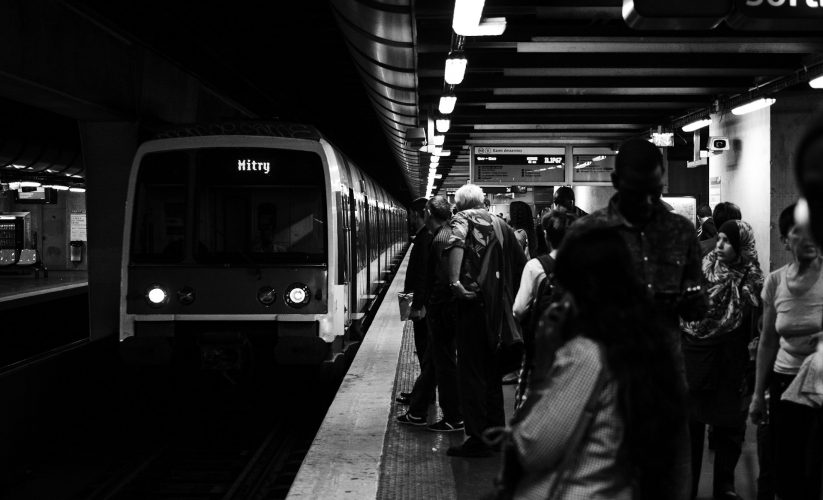
Paris and its surrounding region benefit from a dense and efficient public transportation network, including the metro, buses, tramways… and above all the RER, a fast train system crossing the capital and connecting it to the suburbs. To get around easily, it is essential to understand the lines, stations, maps, schedules and transport tickets.
This guide explains everything you need to know to use the RER in Paris and its region, whether you are a resident, a newcomer or a visitor.
1. The RER: what is it and how does it work?
The RER (Réseau Express Régional – Regional Express Network) is a fast train system that complements the metro. Unlike the metro, which mainly covers central Paris, the RER extends far beyond the city limits into the suburbs, making it possible to quickly connect Paris to more distant areas of the Île-de-France region.
In practical terms, it allows you to:
- Cross Paris from one side to the other in just a few minutes.
- Reach cities in the region without changing lines or with only one transfer.
- Access major tourist and residential areas.
2. Overview of the RER lines
The RER network is organized around five main lines identified by letters: A, B, C, D and E. Each line serves different areas around Paris.
RER A
The A is one of the busiest lines in Europe. It runs across Paris from east to west, connecting residential areas such as Saint-Germain-en-Laye to destinations like Marne-la-Vallée to the east, where the famous Disneyland Paris resort is located.
RER B
The B crosses Paris from north to south and provides access to key destinations such as Roissy-Charles-de-Gaulle Airport and the Stade de France. It is an important line for travelers arriving at or departing from international airports.
RER C
The C runs along the Seine River and passes through stations close to the Palace of Versailles. It is convenient for reaching towns in the southwest of the Île-de-France region and also offers pleasant views along the river.
RER D
The D connects the north and south of the region, passing through Paris. It serves a large number of important stations.
RER E
Finally, the E provides access to eastern Paris and its surrounding areas. Although it is more recent than the other lines, it plays a key role in serving the eastern parts of the city.
3. Maps and connections: getting your bearings
To use the RER in Paris easily, remember to check a network map before your trip, available in stations or on the Bonjour RATP app.
In Paris, several stations are also major transfer hubs with the metro — for example Châtelet-Les Halles, the various main Paris train stations, and others.
Checking the maps in advance helps you choose the right route and know where to change lines if necessary.

4. Schedules: when do RER trains run?
RER trains run every day, with service adapted to travelers’ needs:
- The first trains start early in the morning.
- The last trains usually depart around midnight.
Frequency is higher during rush hours, especially in the morning and late afternoon, when many commuters are traveling to and from work.
Schedules may vary slightly on weekends and public holidays, so it is recommended to check the next train time using official apps or station displays.
5. Fares and tickets: what has changed
Until recently, the ticket t+ was the standard travel ticket used in Paris, especially on the metro and some RER lines within the city. However, it has no longer been sold since 2025 and is gradually being phased out.
New tickets
Today, several travel tickets are available for trips within Paris and the suburbs:
- Metro-Train-RER: this single ticket allows travel for up to 2 hours on the metro, RER and certain regional trains throughout Île-de-France (excluding some airport routes). It is valid on the metro, RER stations and “Transilien” trains.
- Bus-Tram: intended for trips on buses and tramways.
- Airports: for travel to Orly or Roissy-Charles-de-Gaulle (valid for up to two hours, including on the Orlyval shuttle).
These tickets are generally loaded onto a Navigo Easy pass, a rechargeable card, or directly onto a smartphone via the official transport app.
End of paper tickets
Since November 2025, the sale of paper tickets has stopped across the entire network (metro, RER, buses and tramways). If you still have old paper tickets, they remain valid for a few months, but digital tickets are now the preferred option.
6. Tips for smooth travel
Here are a few tips to make the most of your RER journeys:
- Check maps and schedules before you leave.
- Use mobility apps to follow traffic updates in real time.
- If you are just visiting, the Navigo Easy pass is convenient for loading tickets on your smartphone.
- If you travel frequently, subscriptions such as Navigo Monthly or Navigo Liberté+ may be worthwhile.
The RER in Paris remains one of the most efficient ways to travel around the capital and its region, whether for commuting, reaching a train station, visiting tourist attractions or simply exploring the surroundings. By understanding the lines, maps, schedules and new ticket options, your daily travel becomes easier and more enjoyable.
What if the RER became part of your routine?
Looking for accommodation in Paris?
Lodgis offers a wide selection of furnished apartments in Paris.
Do you own a rental property in Paris?
To learn more about our support services, contact us or visit our dedicated page for rental management.
Tips for a perfectly organized home?
Read our guide with practical advice for a well-organized furnished rental!