15 places to visit in Paris’s 18th arrondissement
The 18th arrondissement of Paris is one of the capital’s most iconic and contrasting districts. Located in the north of Paris, it charms visitors with its appeal, unique atmosphere, and the richness of its heritage. Between the Montmartre hill, its cobbled lanes, artistic spots, panoramic city views, and the lively vibe of Pigalle, this arrondissement offers countless ideas for visits and discoveries.
The 18th arrondissement is a vibrant, lived-in neighborhood, deeply rooted in the history of Paris and France. Here are 15 must-see places to visit in Paris’s 18th arrondissement, to discover the heart of Montmartre, its cultural gems, and the unique atmosphere of this part of the capital.
Must-see places in Paris’s 18th arrondissement
1. The Sacré-Cœur Basilica
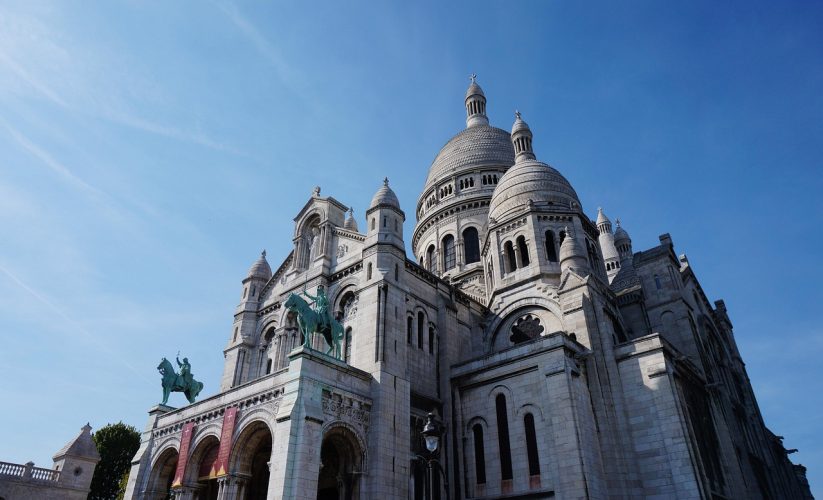
The Sacré-Cœur Basilica is undoubtedly the most iconic landmark in the 18th arrondissement. Perched at the top of the Montmartre hill, it towers over Paris and offers an exceptional view of the capital’s rooftops. This must-see spot welcomes visitors from around the world every year. Its distinctive architecture, lively forecourt, and location make it an essential stop when visiting the neighborhood. Sacré-Cœur alone symbolizes Montmartre’s identity and remains one of the most photographed sites in Paris.
2. Montmartre Hill
Montmartre hill is the true heart of the 18th arrondissement. This historic neighborhood has preserved an almost village-like atmosphere, unique in the capital. As you stroll around the hill, you’ll discover cobbled lanes, small squares, and remarkable viewpoints. This walk lets you feel Montmartre’s timeless charm and better understand why this neighborhood has inspired artists for centuries.
3. Place du Tertre
Place du Tertre is one of the most emblematic places in Paris’s 18th arrondissement. A true symbol of Montmartre’s artistic soul, this historic square has attracted visitors for decades, all eager to experience the unique atmosphere of this neighborhood in the capital. Surrounded by cafés, restaurants, and charming typical houses, Place du Tertre captivates with its appeal and lively vibe.
Known for its painters, sketch artists, and portraitists working outdoors, Place du Tertre embodies Montmartre’s artistic heritage. It is a place of discoveries, encounters, and cultural experiences, where you can watch artists at work or take home a unique souvenir from your visit to the 18th arrondissement. Highly popular for photos, it remains an unmissable stop on a walk around Montmartre hill and offers an immediate immersion into Paris’s artistic history.
4. The Montmartre Museum
The Montmartre Museum is an essential place to understand the history, heritage, and artistic identity of Paris’s 18th arrondissement. Housed in one of the neighborhood’s oldest buildings, in the heart of Montmartre, this museum traces the district’s evolution over the centuries—from its village past to its major role in the history of art in Paris and France.
During your visit, the permanent collections and temporary exhibitions let you discover the artists who shaped Montmartre, its legendary cabarets, workshops, and everyday neighborhood life. The museum also offers a pleasant setting with its gardens—true havens of calm in the heart of the capital. It’s a must-see stop to deepen your discoveries and enrich your cultural itinerary during a stay or a day in the 18th arrondissement.
5. Saint-Pierre de Montmartre Church
Often overshadowed by the Sacré-Cœur Basilica, Saint-Pierre de Montmartre Church is nevertheless one of the oldest religious monuments in Paris. Located on the Montmartre hill, it is an integral part of the historic heritage of the 18th arrondissement. Its presence highlights the neighborhood’s spiritual and historical importance well before Montmartre’s tourist boom.
Visiting Saint-Pierre Church means exploring a place steeped in history, marked by calm and authenticity. Its understated architecture, stained-glass windows, and peaceful atmosphere contrast with the surrounding bustle. This church is a valuable stop for those who want to discover a more confidential side of Montmartre. At the heart of the capital’s history, it enriches any visit to Paris’s 18th arrondissement.
Walks, nature, and viewpoints in Montmartre
6. Square Louise Michel
Located at the foot of the Montmartre hill, Square Louise Michel is one of the most emblematic gardens in Paris’s 18th arrondissement. This large green space connects the lower neighborhood to the top of Montmartre. Loved by locals and visitors alike, it offers a breath of nature in the heart of the capital. You can also enjoy beautiful views of Paris’s higher points.
Square Louise Michel is especially well-suited to a relaxed walk, with family or friends. Its paths, stairways, and tree-lined areas invite you to wander and explore. This garden fully contributes to Montmartre’s charm and fits naturally into a visiting route through the 18th arrondissement—combining heritage, relaxation, and urban discoveries.
7. Rue de l’Abreuvoir
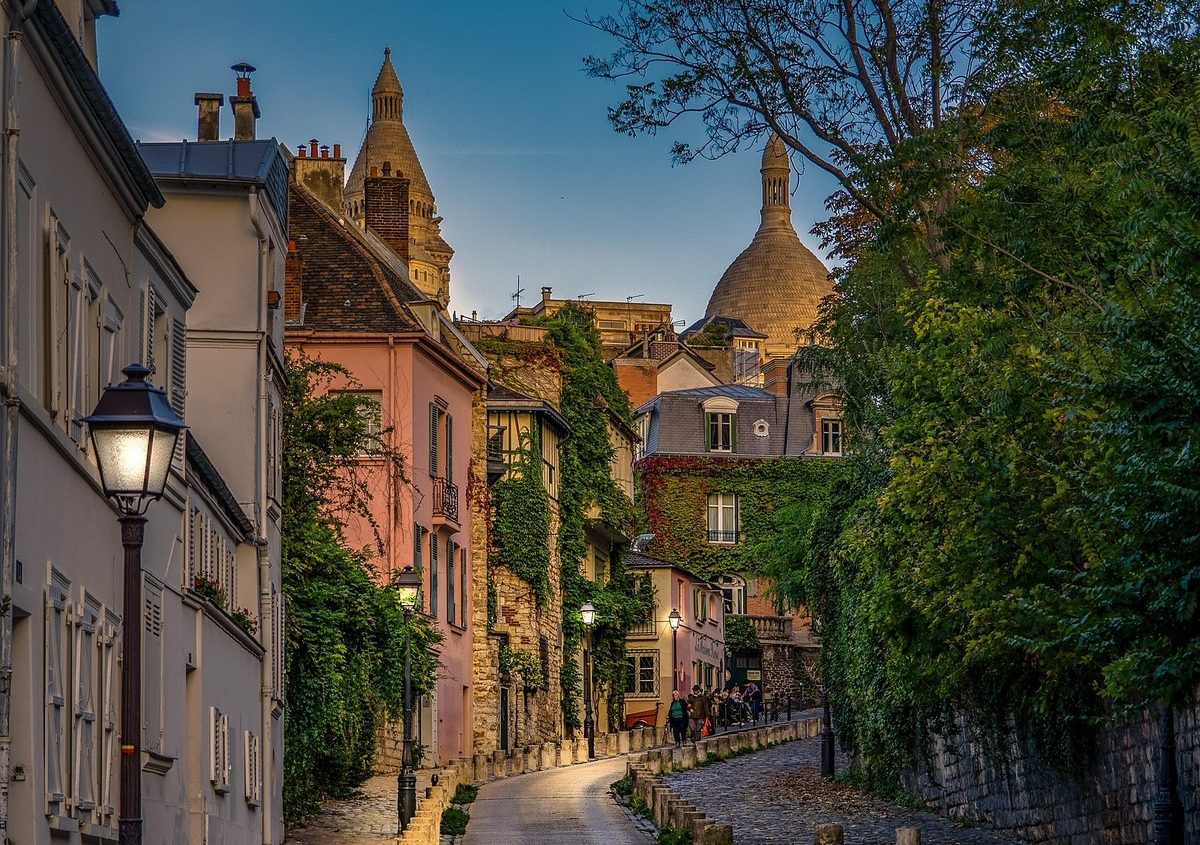
Rue de l’Abreuvoir is undoubtedly one of the most photographed streets in Paris’s 18th arrondissement. Tucked away in the heart of Montmartre, it immediately appeals with its peaceful atmosphere, timeless charm, and typical houses with vegetation-covered façades. This iconic street offers a striking contrast with the bustle of the capital’s main avenues, making you feel as though you’ve left Paris for the duration of a walk.
Highly popular for photos and discoveries, Rue de l’Abreuvoir is one of the neighborhood’s true gems. It embodies Montmartre’s village spirit and is an unmissable stop when visiting the 18th arrondissement. Walking along this street, you quickly understand why Montmartre remains one of Paris’s most charming and beloved districts.
8. Clos Montmartre
Clos Montmartre is one of the most surprising and most unusual places in Paris’s 18th arrondissement. These vines, nestled in the heart of Montmartre, recall the rural and village past of this part of the capital. Discovering Clos Montmartre means taking a real dive into the neighborhood’s history and heritage, far from the city’s hustle and bustle.
This atypical place fully contributes to the charm and unique identity of the 18th arrondissement. Seen during a walk on Montmartre hill, Clos Montmartre is one of those discoveries that make a neighborhood visit memorable. It perfectly illustrates the contrast between nature, tradition, and modernity that characterizes Montmartre and makes it one of Paris’s most distinctive districts.
9. The Montmartre stairways
The stairways are an integral part of the Montmartre landscape. They offer a variety of walking routes, dotted with viewpoints over Paris. Taking these stairs lets you discover the neighborhood differently, through an authentic walk that blends heritage, street art, and local atmosphere.
Art, culture, and unusual spots in the 18th arrondissement
10. The “I Love You” Wall
Located in Square Jehan-Rictus, in the heart of the Montmartre neighborhood, the “I Love You” Wall is one of the most unusual and poetic places in Paris’s 18th arrondissement. This monumental artwork gathers love declarations written in dozens of languages, symbolizing the universality of this message in the heart of the capital. Much appreciated during a visit to Montmartre, the wall attracts couples, families, and curious visitors eager to discover a more intimate side of the neighborhood.
The “I Love You” Wall offers a truly distinct experience, blending art, emotion, and cultural discovery. Easily reached during a walk in the 18th arrondissement, it fits perfectly into a visiting route around Montmartre. It’s a spot loved for photos, but also for the calm and charm it gives off, away from the tourist crowds.
11. Le Lapin Agile
Le Lapin Agile is one of Montmartre’s most legendary cabarets. It is an emblematic venue of the cultural heritage of Paris’s 18th arrondissement. Set on the Montmartre hill, this historic cabaret has welcomed countless artists, writers, and leading figures of Paris’s artistic life. It embodies the neighborhood’s bohemian and festive spirit, deeply rooted in the history of Paris.
Even today, Le Lapin Agile preserves an authentic atmosphere, far from large concert halls. Attending a show—or simply passing by this history-filled venue—helps you understand Montmartre’s importance in the artistic life of the capital. When visiting the 18th arrondissement, Le Lapin Agile is a must for anyone looking for a truly Montmartre-style cultural experience.
12. Montmartre’s artist studios and art galleries
Montmartre remains one of Paris’s neighborhoods most closely tied to art and creativity. In the 18th arrondissement, many artist studios and art galleries continue this artistic tradition. They offer visitors genuine cultural discoveries. As you stroll through the neighborhood’s streets, you’ll come across places dedicated to painting, sculpture, and contemporary art—testaments to Montmartre’s creative dynamism.
Among the best-known addresses, you can mention the Galerie Montmartre, Galerie W, or the Galerie 59 Rivoli, known for its artist studios open to the public. These places let you discover emerging and established artists alike, while immersing yourself in the neighborhood’s creative atmosphere.
Visiting Montmartre’s studios and art galleries means extending the artistic heritage that has shaped the identity of the neighborhood and the capital. This exploration is an essential experience for those who want to go beyond the main tourist spots. It helps you discover a contemporary, vibrant, and creative Montmartre—at the heart of Paris’s 18th arrondissement.
Pigalle and the south of the 18th arrondissement
13. The Pigalle neighborhood
Located in the south of Paris’s 18th arrondissement, Pigalle is one of the most emblematic areas of the capital. Long associated with Paris nightlife, Pigalle has changed dramatically in recent years and now offers an eclectic atmosphere. This neighborhood is a must stop when visiting the 18th arrondissement, especially for a weekend or a stay in Paris.
Pigalle is closely linked to the artistic and festive history of Paris. As you wander its streets, you’ll discover legendary venues such as La Cigale, an iconic concert hall, or Le Trianon, known for its varied cultural program. The neighborhood also features renowned addresses like Le Divan du Monde, which keep Pigalle’s festive and artistic spirit alive.
Today, the Pigalle neighborhood charms visitors with its lively atmosphere, both daytime and evening. Bars, music venues, theaters, and cultural places stand side by side, offering plenty of ideas for activities and experiences to enjoy in the heart of Paris. Pigalle perfectly reflects the 18th arrondissement’s contrasts—between popular heritage and urban renewal.
14. Place Pigalle
Place Pigalle is one of the best-known crossroads in Paris’s 18th arrondissement. It marks the transition between several emblematic neighborhoods of the capital. Always lively, it’s an unmissable landmark when visiting Pigalle and the south of Montmartre. This square is an integral part of the neighborhood’s identity and symbolizes its energy and buzz.
Around Place Pigalle, many addresses contribute to the area’s lively feel. Nearby you’ll find the famous Moulin Rouge, a true icon of Paris nightlife. Music and culture lovers can also spot emblematic nearby venues and historic bars that line the surrounding streets.
Place Pigalle is also an excellent starting point for exploring the neighborhood on foot. It makes it easy to reach Montmartre, the lively streets of Boulevard de Clichy, or the calmer parts of the 18th arrondissement. Whether you want to soak up the Parisian atmosphere, discover places steeped in history, or enjoy cultural experiences, Place Pigalle remains an essential stop on a day of discovery in Paris.
Cafés, restaurants, and local life
15. Neighborhood cafés and restaurants
The 18th arrondissement of Paris is also known for its lively local life and many friendly addresses. Between Montmartre and Pigalle, neighborhood cafés and restaurants fully contribute to the warm atmosphere of this emblematic part of the capital. Sitting down for a break is an integral part of the visiting experience, whether during a day of discovery, a weekend, or a longer stay in Paris.
Around Montmartre, many traditional cafés provide the ideal setting for a break after a walk on the hill. Places like La Maison Rose, recognizable by its colorful façade, embody the neighborhood’s charm and identity. Not far from there, Le Consulat remains an emblematic address, appreciated for its typically Parisian atmosphere and its ties to Montmartre’s artistic history.
In the Pigalle area, the offering is more eclectic and contemporary, while still keeping a strong local vibe. Addresses like Pink Mamma attract both locals and visitors, and more discreet cafés let you feel the neighborhood’s soul. These places are perfect for extending your visit to the 18th arrondissement and discovering a Paris that is lively, food-loving, and accessible.
Whether historic cafés or newer restaurants, these addresses contribute to the neighborhood’s culinary richness. They offer an authentic glimpse into Parisian life and are a must-stop for exploring Paris in a different way.
Practical tips for visiting Paris’s 18th arrondissement
The 18th arrondissement of Paris is a dense, lively neighborhood that is very enjoyable to explore on foot. Thanks to its excellent public transport links, it is also easy to reach from the rest of the city. To make the most of your discoveries, plan for comfortable shoes—especially for walking the streets and stairways of the Montmartre hill.
How to get there and get around the 18th arrondissement
The neighborhood is very well served by the Paris Métro. Several key stations make it easy to reach the main places to visit:
- Anvers: ideal for quickly reaching Montmartre on foot
- Abbesses: perfect for exploring the heart of Montmartre, Place du Tertre, and the surrounding streets
- Pigalle: a central station to discover Pigalle, performance venues, and the south of the 18th
- Château Rouge: a useful access point for discovering another face of the neighborhood, more popular and lively
- Lamarck – Caulaincourt: an ideal station to start a calmer walk on Montmartre hill
Once you’re there, most of the places mentioned can be explored on foot. This proximity makes it easy to plan a smooth visiting route, combining heritage, art, nature, and local life.
FAQ – Visiting Paris’s 18th arrondissement
What are the must-see places to visit in Paris’s 18th arrondissement?
Paris’s 18th arrondissement is full of emblematic places to discover when visiting the capital. Among the must-sees, the Sacré-Cœur Basilica overlooks the Montmartre hill and offers a remarkable view over Paris. Place du Tertre, with its artists and unique atmosphere, is an essential stop to feel the neighborhood’s spirit. The Pigalle area, livelier in feel, reveals another face of the 18th arrondissement—cultural and vibrant. Together, these places form an ideal route for a first discovery of Montmartre.
Is the 18th arrondissement suitable for a family visit?
Yes, the 18th arrondissement is very well suited to a family visit. The neighborhood offers many activities accessible to all ages. Think of walks in gardens such as Square Louise Michel or on Montmartre hill. You should also consider cultural places such as the Montmartre Museum. Pedestrian streets, stairways, and green spaces make it easy to enjoy the neighborhood at a relaxed pace. Discover the heritage and charm of this part of Paris at your own pace.
How much time should you allow to visit Montmartre and Paris’s 18th arrondissement?
Your visit to Montmartre can be adapted to the time you have. Half a day is enough to see the main must-see places, such as Sacré-Cœur and Place du Tertre. However, allowing a full day makes for a richer and more enjoyable experience. You’ll have time to wander, make unusual discoveries, and fully enjoy the neighborhood’s atmosphere. For a weekend in Paris, the 18th arrondissement is an ideal stop.
Can you visit Paris’s 18th arrondissement on foot?
Yes, the 18th arrondissement is very easy to explore on foot. Most places to visit are grouped around the Montmartre hill, without needing public transport. Walking is the best way to enjoy the neighborhood’s charm, explore its streets and viewpoints, and take photos all along the way.
What is the best time of year to visit Paris’s 18th arrondissement?
The 18th arrondissement can be visited all year round. In spring and summer, walks are particularly pleasant and the gardens provide an ideal setting for relaxing. In winter, the neighborhood keeps all its charm, with fewer crowds and a more authentic atmosphere. Each season lets you discover Montmartre from a different angle, depending on your wishes and your stay in Paris.
Conclusion
Between the Montmartre hill, its charm-filled streets, places steeped in history, artistic discoveries, and the lively atmosphere of Pigalle, Paris’s 18th arrondissement offers a rich and contrasting visiting experience. This emblematic neighborhood of the capital appeals as much for its must-sees as for its more confidential gems.
For a weekend or a longer stay, the 18th arrondissement is an ideal destination for exploring a different side of the city.
What if You Stayed a Little Longer?
Looking for accommodation in Paris?
Lodgis offers a wide selection of furnished apartments in Paris.
Are you a property owner with a home to rent in Paris?
To learn more about our support services, contact us or visit our dedicated page for property rentals.