Visiting the 20th arrondissement of Paris: info and must-see places
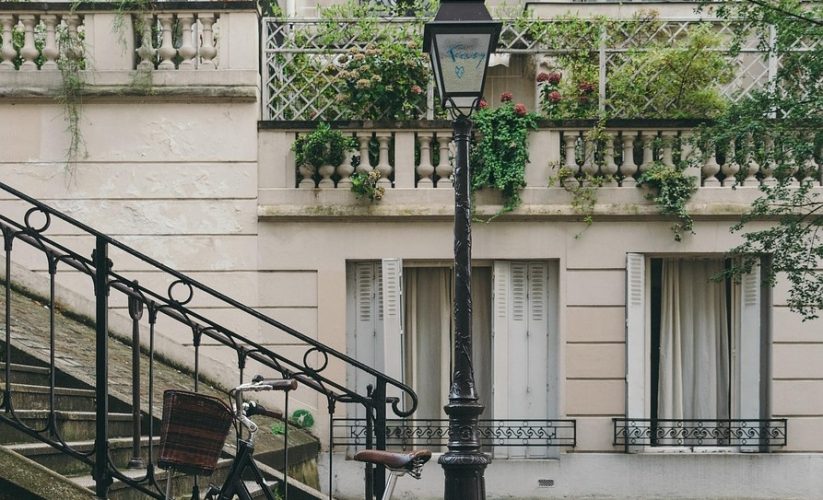
The 20th arrondissement of Paris is a district apart within the capital. Located in eastern Paris, this arrondissement brings together a wide diversity of neighborhoods, places, and heritage sites, often far from the classic tourist routes. Here, every street, every façade, and every garden tells a different story of the city, shaped by residents, artists, and major urban transformations.
The 20th arrondissement of Paris is home to major historic sites, parks, gardens, and cultural venues. It also includes important facilities such as a hospital and public institutions. This guide provides all the essential information you need to understand and discover the must-see places of this emblematic Paris arrondissement.
Belleville: a historic neighborhood and the popular heart of the 20th arrondissement of Paris
1. Parc de Belleville, an emblematic garden of the arrondissement
Parc de Belleville is one of the main gardens in the 20th arrondissement of Paris. Located on the heights of the Belleville neighborhood, this park offers a unique perspective on the city and its evolution. Developed on former vineyards, it is now a true urban garden, particularly appreciated for its calm atmosphere and its open views over the capital.
This place plays a central role in neighborhood life. It features green spaces, flowered areas, and resting spots, making it a key structural element of the 20th arrondissement.
Parc de Belleville is easily accessible by metro via line 11 (Pyrénées) or line 2 (Couronnes). To get there, head toward the upper parts of the 20th arrondissement of Paris.
2. Rue des Envierges, an emblematic façade of Belleville
Rue des Envierges is one of the best-known streets in the Belleville neighborhood. Its distinctive façade, made up of old brick buildings, bears witness to the working-class past of the 20th arrondissement of Paris. This short, steep street is often cited as a typical example of eastern Parisian architecture.
The continuous façade along this street illustrates Paris’s urban heritage, far from the grand Haussmann-style developments. It is a place appreciated for its strong identity and preserved atmosphere.
Rue des Envierges can be easily reached via metro line 11 (Pyrénées station) or line 2 (Couronnes station), in the heart of the Belleville neighborhood, in the 20th arrondissement of Paris.
3. Maison de l’Air, information and an urban garden
Maison de l’Air is an emblematic place in the 20th arrondissement of Paris, dedicated to sharing information about the environment, air quality, and the role of gardens in the city. This site fully aligns with the capital’s urban policies.
Located in Belleville, Maison de l’Air complements the nearby park and contributes to enhancing the neighborhood as a space for nature and environmental awareness.
Maison de l’Air is accessible via metro line 11 (Pyrénées station) or line 2 (Couronnes station), providing easy access to this information center and urban garden within the neighborhood.
4. Willy Ronis Belvedere, a tribute to Louis and the neighborhood’s heroes
Willy Ronis Belvedere pays tribute to one of the great heroes of Parisian photography. The name Louis, often associated with popular figures in the neighborhood’s history, recalls the importance of artists and everyday witnesses in the collective memory of the 20th arrondissement.
This discreet place helps visitors better understand the relationship between Belleville, the city, and the transformation of Paris over the years.
Willy Ronis Belvedere is served by metro line 11 (Pyrénées station) or line 2 (Couronnes station), heading toward the upper parts of the Belleville neighborhood in Paris.
5. Rue de Belleville, a neighborhood of nightlife and local life
Rue de Belleville is the central axis of the neighborhood. It brings together numerous nightlife venues, local shops, and everyday gathering places that structure the 20th arrondissement of Paris.
This street is essential for understanding the social and cultural organization of the arrondissement. It reflects the city’s diversity and the constant energy of this part of the capital.
Rue de Belleville is accessible by metro via several lines, notably line 2 (Belleville station) and line 11 (Belleville or Pyrénées stations), making it easy to reach this heart of the 20th arrondissement of Paris.
Ménilmontant: heritage, hidden gardens, and nightlife spots
6. Rue de Ménilmontant, a historic Paris neighborhood
Rue de Ménilmontant is one of the oldest streets in the 20th arrondissement. Once an independent village later incorporated into Paris, this neighborhood has retained a strong identity, visible in its façades, shops, and nightlife venues.
Today, this street is a major cultural landmark of the capital, particularly known for its music and community-driven scene.
Rue de Ménilmontant is easily accessible by metro via line 2 (Ménilmontant station) or line 3 (Gambetta station), in this lively part of the 20th arrondissement of Paris.
7. Place Maurice Chevalier, a central square in the Ménilmontant neighborhood
Place Maurice Chevalier is a discreet yet structuring square in the Ménilmontant neighborhood, in the 20th arrondissement of Paris. It plays an important role in the organization of the area, serving as a landmark and meeting place for residents. Surrounded by buildings with simple façades, sometimes in brick, it reflects the working-class heritage of eastern Paris.
This square embodies the village-like spirit still very present in this Paris arrondissement. It is often associated with everyday neighborhood life, local interactions, and small nearby outings, far from the city’s monumental squares.
Place Maurice Chevalier is easily accessible by metro via line 2 (Ménilmontant) or line 3 (Gambetta). Be sure to head toward the eastern part of the 20th arrondissement of Paris.
8. Cité Leroy, a hidden heritage site of the 20th arrondissement
Cité Leroy is an emblematic hidden place in the 20th arrondissement of Paris. Behind a discreet entrance, this passageway is home to a group of old houses dating back to the 19th century, each façade telling part of the working-class history of the Ménilmontant neighborhood. The materials, particularly brick, reflect a modest yet durable form of urban development.
This place is now considered a true gem of local heritage. It offers a striking contrast with the lively surrounding streets and helps illustrate how this part of the city has evolved over the years.
Cité Leroy is located just a few minutes’ walk from metro line 3 (Gambetta station) or line 2 (Ménilmontant station), providing easy access to this hidden neighborhood site.
9. Villa de l’Ermitage, a hidden garden in the heart of the city
Villa de l’Ermitage is one of the most surprising places in the 20th arrondissement. This residential street functions like a linear garden, lined with individual houses and abundant vegetation. It gives the impression of a timeless, almost rural space in the heart of Paris.
This hidden place perfectly illustrates the capital’s ability to preserve pockets of nature within very dense neighborhoods. Villa de l’Ermitage has thus become a discreet gem of the Ménilmontant area, appreciated for its calm and unique identity.
Villa de l’Ermitage is accessible by metro via line 11 (Télégraphe station) or line 2 (Couronnes station), in this more residential direction of the 20th arrondissement of Paris.
10. Pavillon Carré de Baudouin, an urban château and cultural venue
Pavillon Carré de Baudouin is a major heritage site in the 20th arrondissement of Paris. Built in the 18th century, this building is sometimes compared to a small urban château due to its architecture and its location at the heart of a garden. Today, it hosts exhibitions, talks, and numerous cultural events.
This site is also a must-see nightlife and cultural destination for neighborhood residents, thanks to its rich and accessible program. Pavillon Carré de Baudouin plays a central role in the cultural life of Ménilmontant and contributes to the artistic influence of the capital.
Pavillon Carré de Baudouin is served by metro line 3 (Gambetta station) or line 2 (Ménilmontant station), making it easy to reach this cultural venue and former urban château in the neighborhood.
Père Lachaise: a national site, a place of remembrance, and heritage
11. Père Lachaise Cemetery, a park and national heritage site
Père Lachaise Cemetery is one of the most famous places in Paris and in France. Located in the heart of the 20th arrondissement, this national site is at once a place of remembrance, a landscaped park, and a major element of Parisian heritage. It is home to famous graves, monuments, and sculptures spread over several hectares.
This vast space plays a unique role in the city, comparable to a hospital of collective memory, where history is preserved and passed on. Père Lachaise is also a key reference for understanding the historical identity of eastern Paris.
Père Lachaise is accessible via several metro lines, notably line 2 and line 3 (Père-Lachaise station) or line 9 (Philippe Auguste station), in the heart of the 20th arrondissement of Paris.
12. Jim Morrison’s grave, an emblematic site of the 20th century
Jim Morrison’s grave is one of the most visited places in Père Lachaise. A musical icon of the 20th century, the singer has become an essential figure of Paris’s cultural heritage. Every year, this site attracts visitors from all over France and abroad.
This grave contributes to the cemetery’s international dimension and reinforces its status as a national site.
Jim Morrison’s grave is located inside Père Lachaise, accessible by metro via line 2 or line 3, Père-Lachaise station.
13. Mur des Fédérés, national heritage and collective memory
Mur des Fédérés is a fundamental site of French national heritage. Located within Père Lachaise, it recalls the tragic events of the Paris Commune and deeply marks the political and social history of the city.
Today, this site stands as a powerful symbol of collective memory, firmly rooted in the identity of the 20th arrondissement of Paris. It is a key point for understanding contemporary French history.
Mur des Fédérés is accessible by metro via line 2 (Père-Lachaise station) or line 3 (Gambetta station).
Cultural venues and gardens in the 20th arrondissement
14. La Bellevilloise, a nightlife and festival venue in Paris
La Bellevilloise is an emblematic nightlife venue in the 20th arrondissement of Paris. A former workers’ cooperative, it now hosts concerts, exhibitions, festivals, talks, and cultural events throughout the year. Its façade, understated yet recognizable, is part of the Belleville neighborhood’s landscape.
This site plays a central role in the cultural life of eastern Paris. It attracts a wide audience and contributes to the artistic and festive dynamism of the neighborhood.
La Bellevilloise is served by metro line 2 (Couronnes station) or line 11 (Pyrénées station). It is an easily accessible nightlife venue in the 20th arrondissement of Paris.
15. Square Séverine, a neighborhood garden in the heart of the arrondissement
Square Séverine is a discreet garden located in the 20th arrondissement of Paris. This local space features green areas appreciated by neighborhood residents, offering a peaceful nature break within the city.
This garden completes the arrondissement’s offer of parks and green spaces. It contributes to urban balance and quality of life in the 20th arrondissement of Paris.
It is accessible via line 11 (Télégraphe station) or line 3 (Porte de Bagnolet station).
An emblematic route between Belleville and Ménilmontant
This route makes it possible to discover several major places in the 20th arrondissement of Paris, linking the neighborhoods of Belleville and Ménilmontant. It begins around Parc de Belleville, a true panoramic garden of the capital, before reaching Rue des Envierges and its brick façades, emblematic of the neighborhood’s working-class heritage. Continuing toward Rue de Belleville, the living heart of the arrondissement, this itinerary passes through lively areas rich in shops and nightlife venues, offering a comprehensive view of the city and its evolution.
The route naturally continues toward Ménilmontant, passing through Place Maurice Chevalier, a central landmark of the neighborhood. It then allows visitors to discover hidden places such as Cité Leroy or Villa de l’Ermitage, which illustrate a more confidential and residential side of Paris. Easily accessible by metro (lines 2, 3, and 11), this route therefore provides an ideal overview of the 20th arrondissement.
Conclusion
The 20th arrondissement of Paris is an area rich in information, places, gardens, and heritage. From Belleville to Ménilmontant, from Père Lachaise to its more confidential streets, this arrondissement offers a different reading of the city, deeply rooted in the history of Paris and France.
What if you stayed a little longer?
Looking for accommodation in Paris?
Lodgis offers a wide selection of furnished apartments in Paris.
Do you own a property to rent in Paris?
To learn more about our support services, contact us or visit our dedicated page on rental management.
Tips for a perfectly organized home?
Read our guide with tips for a well-organized furnished rental!